— Background
The Context: Rural Women in Tunisian Agriculture
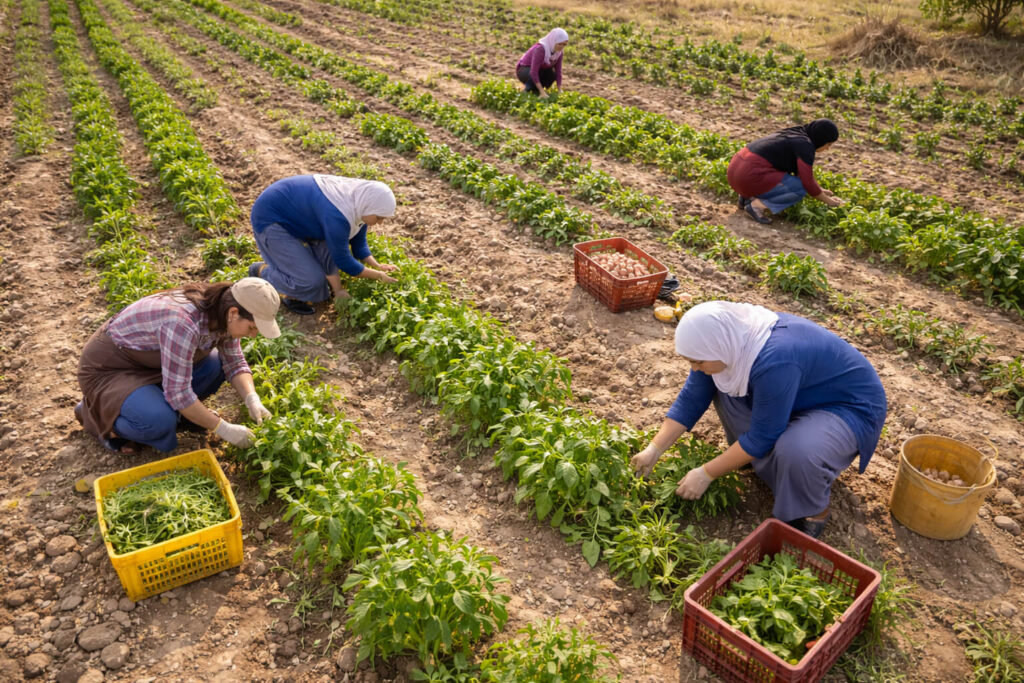
Agriculture is a cornerstone of Tunisia’s cultural and economic identity, yet it has traditionally excluded women from land ownership and decision-making processes, relegating them to precarious and poorly paid roles.
According to a 2014 study by the Association Tunisienne de Femmes Démocrates (ATFD), 61% of rural women work as occasional labourers with limited access to resources, legal protections, or opportunities for advancement. This situation is further exacerbated by the impacts of climate change, including prolonged droughts and reduced agricultural productivity, which disproportionately affect female-led households.
Rural women not only face socio-economic disparities but are also constrained by traditional agricultural practices that often exclude them from active participation. In this context, hydroponics offers a viable solution for enhancing productivity and fostering inclusivity.
occasional labourers
— Needs Analysis
Five Key Challenges We Address
The SHE-GROWS project responds to critical needs identified through extensive research and stakeholder consultation in Tunisia’s Béja and Jendouba regions.
Gender Data Gap
Need for in-depth, data-driven knowledge of gender inequalities in Tunisian agriculture, supporting greater female inclusion in decision-making processes.
Practical Training
Practical training and tools for innovative and sustainable agricultural techniques like hydroponics, addressing both environmental and employment challenges.
Teacher Capacity
Teachers require multidisciplinary training that combines inclusive teaching methods with advanced technological tools to effectively drive change.
Infrastructure
Educational infrastructure must be strengthened so that training is genuinely accessible, digital, and able to have a broad impact.
Cooperative Models
Promotion of cooperative models is crucial for reducing individual business risks and empowering women in the rural economy.
— Our Approach
A Three-Phase Methodology
SHE-GROWS implements a structured approach that moves from foundational research through capacity building to practical training and cooperative development, ensuring sustainable impact.
Phase 1: Establishing the Foundation
Months 1-18
Careful planning, stakeholder engagement, needs assessment, and development of the certified curriculum integrating hydroponic agriculture, sustainability, and entrepreneurial skills.
Phase 2: Capacity Building
Months 18–36
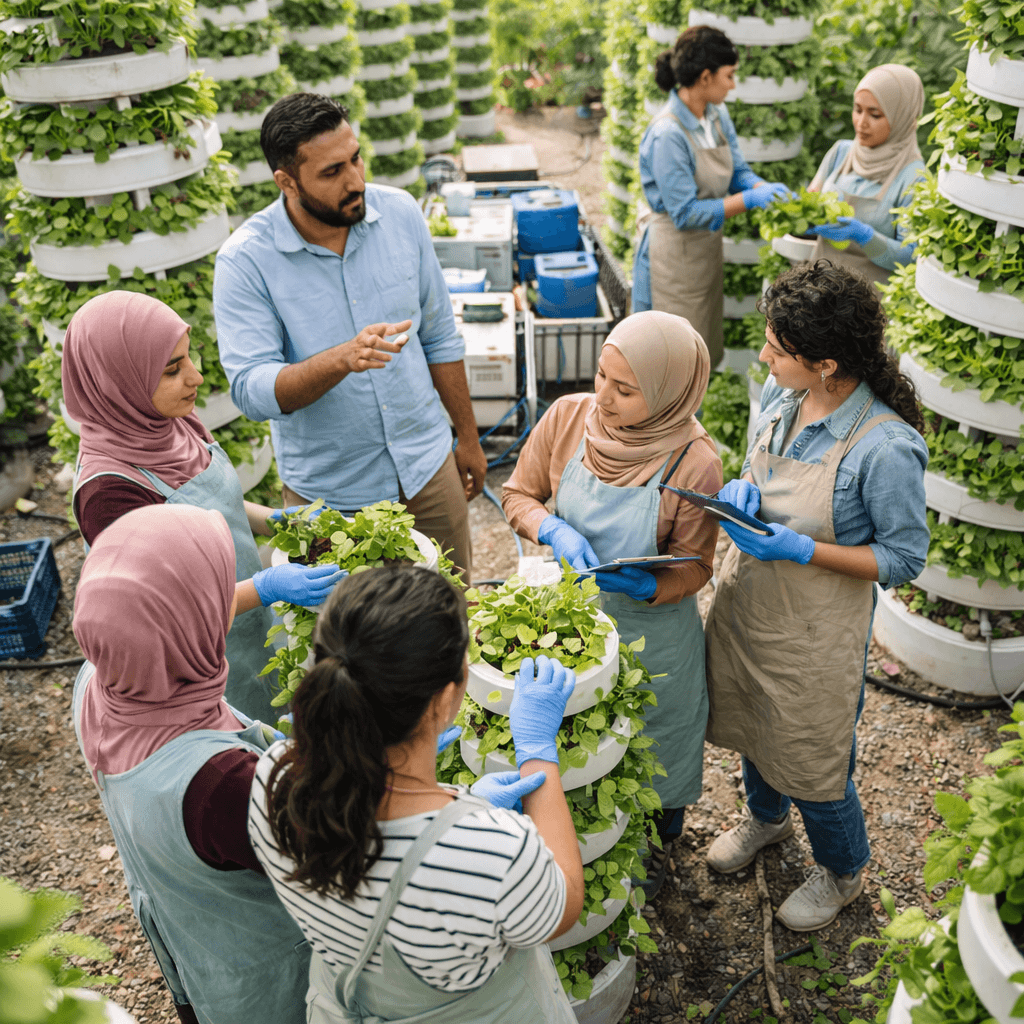
Implementation of pilot training courses in hydroponics and sustainable entrepreneurship, with hands-on workshops ensuring theoretical instruction is effectively complemented by practical experience.
Phase 3: Dissemination & Sustainability
Throughout project
Strategic communication, multiplier events, and development of tools for replicating the project's best practices in other rural communities across Tunisia and the region.
— Innovation
What Makes SHE-GROWS Different
The project introduces several innovative elements that distinguish it from traditional agricultural and VET programmes.
Hydroponic Technology
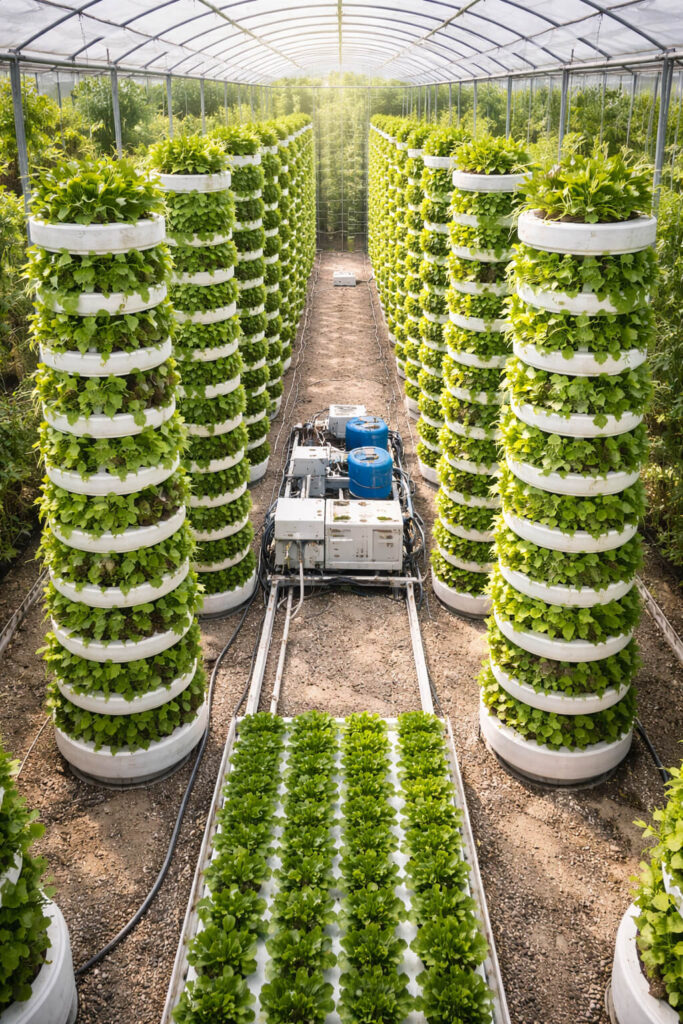
A sustainable, resource-efficient farming technique that requires less land and water, enabling rural communities to overcome environmental limitations while building resilience to climate challenges. This method is particularly suited to regions facing water scarcity.
Gender-Inclusive Curriculum
Training programmes specifically designed to address the barriers that prevent women from participating in agriculture, including flexible schedules for those balancing domestic responsibilities and gender-sensitive teaching methodologies.
Cooperative Entrepreneurship
The project establishes agricultural cooperatives that reduce individual business risks while creating pathways for women to access markets, share resources, and build collective economic power in their communities.
— Sustainability
Building Lasting Impact
SHE-GROWS is designed for long-term sustainability, ensuring that the benefits of the project continue well beyond its 36-month duration. Our approach creates self-sustaining structures and capacity at multiple levels.
Institutional Capacity
VET centres like Elemtiez integrate hydroponics modules into their permanent curricula, ensuring ongoing training for future generations.
Economic Sustainability
The agricultural cooperative created by the project generates income for its members, creating a self-sustaining economic model.
Replication Potential
All materials, methodologies, and tools are designed for replication in other regions of Tunisia and the Southern Neighbourhood.
— Global Goals
Alignment with the UN Sustainable Development Goals
SHE-GROWS contributes directly to seven of the seventeen Sustainable Development Goals, demonstrating its comprehensive approach to sustainable development.
No Poverty
Creating economic opportunities in rural areas through agricultural innovation.
Zero Hunger
Enhancing food security through sustainable agriculture and local production.
Gender Equality
Bridging the gender gap in access to productive assets and decision-making.
Decent Work
Boosting economic growth and creating quality jobs in rural communities.
Climate Action
Implementing climate-resilient hydroponic solutions for agriculture.
Life on Land
Promoting responsible land use and reducing impact on soil and water.
Partnerships
Fostering EU-Tunisia collaboration for sustainable development.
— EU Policy Alignment
Contributing to European Priorities
The project aligns with key European strategies and instruments for international cooperation and sustainable development.
Global Gateway Strategy
Sustainable, resilient development through international collaboration.
2050 Water Vision
Water-saving hydroponic techniques addressing resource challenges.
Digital Transformation
Digital agricultural solutions modernising vocational education.
VET Quality Frameworks
Integration of EQF, ESCO, Europass, and EQAVET standards.